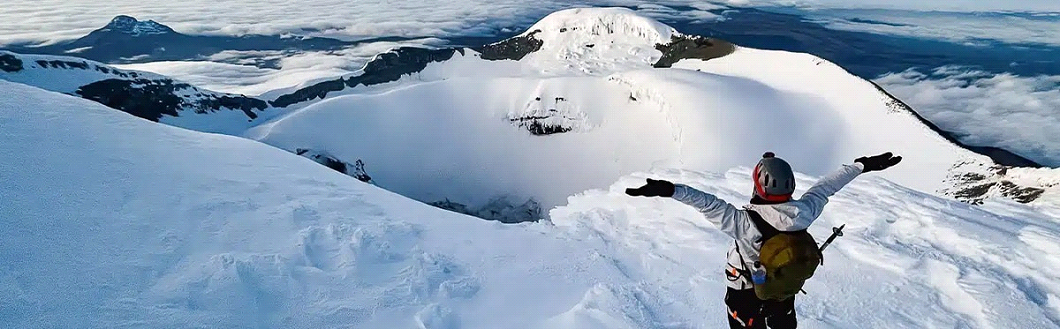
When people hear «climbing a 5942-meter active volcano high in the Andes». They naturally think of elite mountaineers with decades of experience and nerves of steel. Fair enough. Cotopaxi looks intimidating by itself in a photo. But does their perception match reality? Not entirely.
Climbing Cotopaxi is not to be taken lightly. It requires preparation and perseverance. But that does not mean that only professional athletes can attempt it. As a matter of fact, many adventurers come to find that the mountain provides one of the most fulfilling introductions to high-altitude mountaineering anywhere in South America.
Still skeptical? You should be. Big adventures deserve careful consideration. This is why knowing what Climbing Cotopaxi involves is useful in deciding if this is the challenge you want to commit to.
Why Cotopaxi Stands Out Among South America’s Peaks
Ecuador has a wealth of wilderness to its name, so many volcanoes in fact, you could say it gets blessed.
With its quintessential cone pointed straight up into the sky over all that surrounds it, it looks like something from a storybook. The status of one of the tallest active volcanoes in the world and a summit with a glacier are reasons why it garners global attention.
You not only hike the trail and take your picture.
Is Climbing Cotopaxi Difficult?
Here’s where honest answers matter. The answer in brief: Yes, Climbing Cotopaxi is a little bit of hard work. No, it isn’t Everest.
Altitude creates the biggest hurdle. At nearly 5,897 meters, oxygen levels drop quickly. Even experienced hikers feel the effects. Simple movements require more effort. Breathing becomes deliberate. Progress slows. That reality catches some climbers off guard.
But difficulty does not equal danger when you prepare properly.
What Happens on Summit Day?
Most climbers customarily set out for ascension from midnight. Sounds crazy? At first glance, it certainly does.
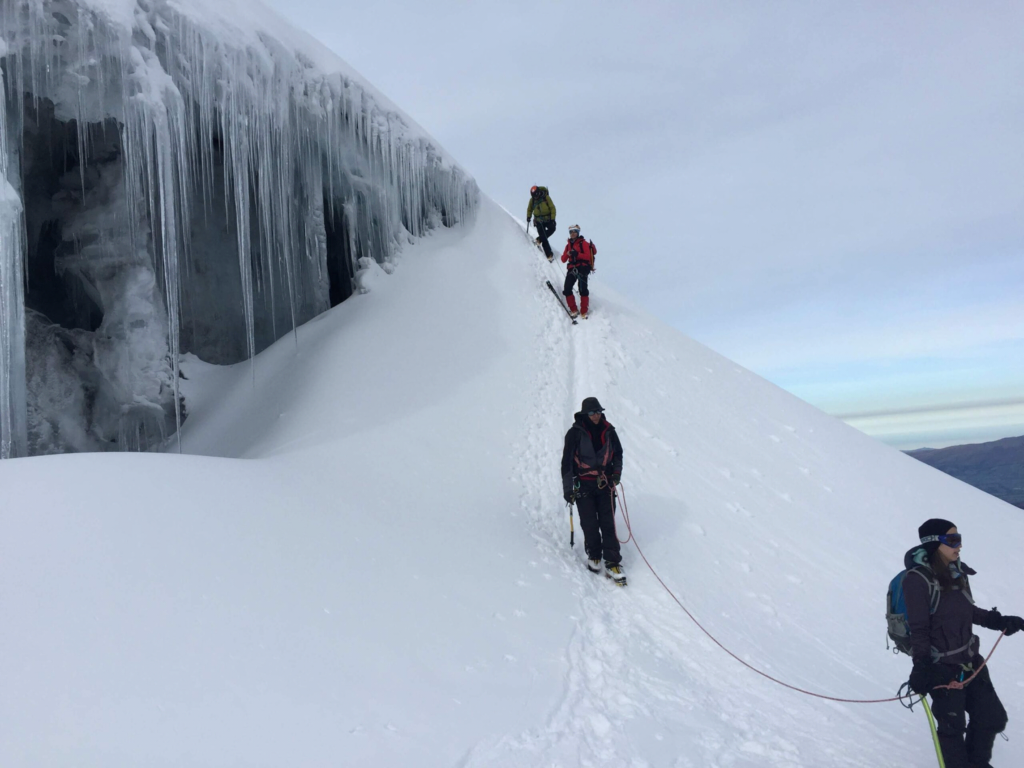
However, there is an operational context to timing. By maintaining colder temperatures at night, glaciers become less coherent but more stable, leading to a safer and much more predictable ascent.
The experience feels surreal from the very beginning. Headlamps illuminate the darkness. Boots crunch across frozen terrain. The sky is full of stars as the climbers proceed upwards. But with the passing hours, Climbing Cotopaxi becomes a lesson in perseverance. You take one step and then another. You settle into a rhythm. The summit gradually draws closer.
Then dawn arrives. Suddenly, the Andes ignite with color. Peaks stretch across the horizon. Clouds drift below your feet. Few mountain experiences rival that moment. A lot of climbers call it every single ounce worth the effort.
Why Professional Guides Make a Difference
Others debate whether or not it is essential to engage the services of a guide. That’s a reasonable question. After all, information appears everywhere online. GPS technology seems reliable. Routes appear straightforward on maps. The reality tells a different story.
Mountains change constantly. Weather shifts. Glacier conditions evolve. Route decisions require local knowledge and technical awareness. This is where Sierra Nevada Expeditions provides tremendous value.
Our experienced mountain guides know Cotopaxi intimately. We understand seasonal conditions, monitor safety factors, and help climbers navigate challenges efficiently. When undertaking Climbing Cotopaxi, local expertise isn’t merely convenient. That becomes the difference between a clean execution and a futile struggle.
Final Thoughts
If you want a real high-altitude adventure, then climbing Cotopaxi is the best option. Yet the truth is that this isn’t for the faint of heart to do. It is also not blind to the adventurer. With the right sort of mindset, this iconic volcano provides the best that is on offer for mountain experiences.
Are you ready to push your limits and take a stand on the summit? Check out what we offer here at Sierra Nevada Expeditions with our bespoke itineraries and guided trips. Let us make the mountain experience you dream of a reality.
FAQs
1.Do you need previous ice climbing experience for Cotopaxi?
Having been to the mountains before is not a necessity. This is mostly a long-distance glacier trek. Before going to the summit, our guides conduct an in-depth, hands-on training on the lower glacier. This will ensure you feel entirely comfortable with your equipment.
2.How long does the climb take?
A two-day itinerary from Sierra Nevada Expeditions. 1st Day – Transfer, approach walk & hut stay & technique review. 2nd Day – Midnight summit push & return to Quito.
3.What is the best time for Climbing Cotopaxi?
You can climb year-round as long as the weather allows. However, this is also when you have the most stable weather windows and the clearest views between June and January. This is due to Ecuador’s equatorial climate.
4.How should you prepare physically for the high altitude?
Do leg strength and training with cardio. Great training methods are running and cycling with a backpack, stair climbing. Above all, however, allow days for acclimatization at higher altitudes before embarking on the journey.
5.What happens if you cannot make it to the summit?
Safety remains our priority. Should you develop altitude sickness or become completely weary, one of your guides will break apart your rope team and return with you to the refuge in relative safety. This allows the remaining climber to continue their summit bid without interruption.